
Tonsillitis & Tonsillectomy in DHA, Lahore
Recurring sore throats, painful swallowing, or swollen tonsils that keep coming back? Prof. Dr Khalid Cheema, Lahore’s most trusted ENT specialist, provides expert diagnosis and treatment for tonsillitis including tonsillectomy where needed for both adults and children at CENT, DHA Phase 6.
Medically Reviewed By
Medically reviewed by Prof. Dr Khalid Cheema, FCPS Professor of ENT Surgery, King Edward Medical University, Lahore. Founder & Chief ENT Surgeon, Center of ENT (CENT). Over 40 years of clinical experience in ENT surgery and diagnostics.
About the Treatment
Occasional tonsillitis is common and usually resolves on its own or with medication. Tonsillectomy surgical removal of the tonsils is considered only when infections become frequent, severe, or start affecting breathing and sleep. At CENT, Prof. Dr Khalid Cheema evaluates the frequency and severity of your (or your child’s) tonsillitis history to determine whether ongoing medical management is enough, or whether surgery is genuinely the better long-term option.
CENT treats both adults and children from across Lahore including DHA, Iqbal Town, Gulberg, and Johar Town with particular focus on cases where recurrent tonsillitis is also contributing to snoring or disrupted sleep in children.
What is Tonsillitis?
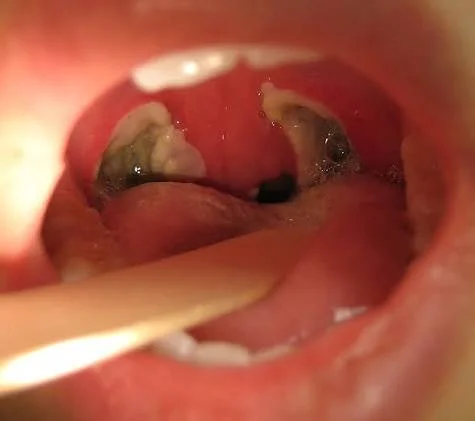
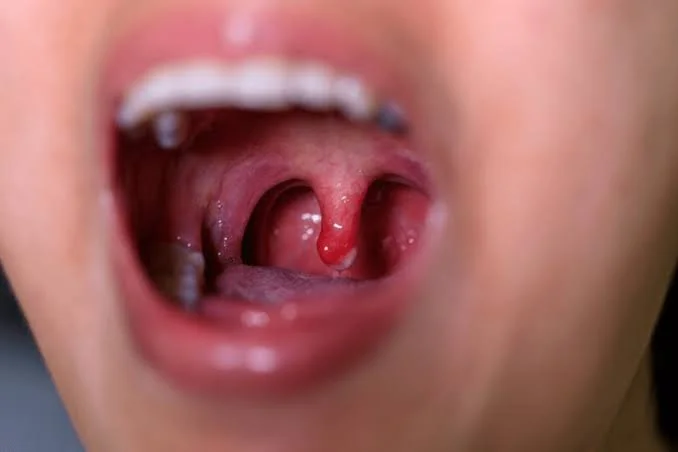
Tonsillitis is inflammation of the tonsils two oval-shaped pads of tissue at the back of the throat usually caused by a viral or bacterial infection. It’s especially common in children, though it can affect adults too, and can occur as isolated episodes or become recurrent (multiple infections per year).
When tonsils become chronically or repeatedly enlarged and infected, they can also start to affect breathing and sleep which is one of the key factors considered when deciding whether tonsillectomy is appropriate.
Symptoms
Common signs of tonsillitis include:
Causes
Tonsillitis is most commonly caused by:
Diagnosis & Tests
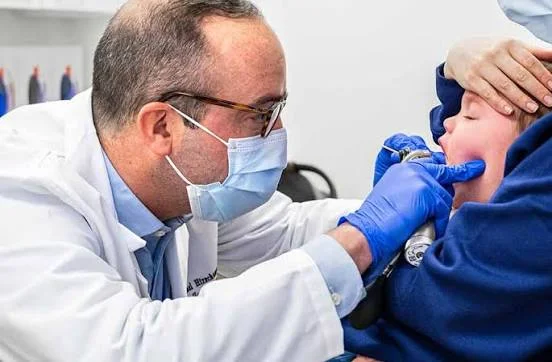
An accurate diagnosis helps determine whether this is a one-off infection or a pattern that warrants a longer-term solution. At CENT, this typically includes:
- Physical examination of the throat and tonsils
- Throat swab, where a bacterial infection (e.g. strep) is suspected
- Review of infection frequency and severity over the past 12 months key to the tonsillectomy decision
- Assessment for airway or sleep impact, particularly in children with enlarged tonsils
Treatment Options
Medical Management
For occasional or isolated episodes of tonsillitis, treatment usually resolves the infection without surgery:
Tonsillectomy (Surgical Removal)
Tonsillectomy is considered when tonsillitis becomes recurrent (multiple infections per year), when tonsils are significantly enlarged and affecting breathing or sleep, or when infections are severe enough to significantly disrupt daily life or school/work attendance.
Risks & Complications
As with any surgical procedure, tonsillectomy carries a small risk of bleeding (particularly during the healing period), infection, or reaction to anaesthesia. These risks are discussed in full during consultation, and Prof. Dr Khalid Cheema’s four decades of surgical experience is reflected in his consistently low complication rates. Medical management carries minimal risk in comparison.
Treatment Comparison
| Option | Best For | Recovery | Invasiveness |
|---|---|---|---|
| Medical Management | Mild–moderate cases, allergy-driven sinusitis | No downtime | Non-invasive |
| Balloon Sinuplasty | Moderate blockage not responding to medication | 1–3 days | Minimally invasive |
| FESS (Surgery) | Structural blockage, polyps, severe/recurrent cases | 1–2 weeks | Minimally invasive surgery |
Why Choose Prof. Dr Khalid Cheema / CENT
Prof. Dr Khalid Cheema is Founder and Chief ENT Surgeon of CENT, a Fellow of the College of Physicians & Surgeons Pakistan (FCPS), and Professor of ENT Surgery at King Edward Medical University, Lahore. With over 40 years of experience and five-star patient reviews, he has helped patients across Lahore including DHA Phase 6, Iqbal Town, and surrounding areas manage allergic rhinitis and prevent it from progressing into chronic sinusitis.
- Careful evaluation of infection history before recommending surgery not a default “just remove them” approach
- Experience treating both adult and pediatric tonsillitis
- Assessment of airway/sleep impact, not just infection frequency alone
- Same-day appointments available
- Two convenient clinic locations: CENT DHA Phase 6 (main clinic) and CENT Iqbal Town
Consultation & Procedure Fees
Initial consultation fee: 5000 PKR
Throat swab / diagnostic tests: To be confirmed from the reception
Tonsillectomy procedure cost: To be confirmed from the reception
Exact costs depend on whether surgery is needed and any additional procedures performed at the same time (e.g. adenoidectomy in children). Your treatment plan and full cost breakdown will be confirmed clearly during your consultation, with no hidden charges.
Pre & Post Procedure Care
Before Your Procedure
After Your Procedure
Recovery Timeline
| Days 1–3 | Mild congestion, light discharge/bleeding, some facial pressure |
| Days 4–7 | Congestion easing, saline rinses continue, avoid strenuous activity |
| Week 2 | Most patients resume normal daily activities; follow-up endoscopy check |
| Weeks 3–4 | Full healing of sinus lining; final assessment of breathing and drainage |
Before & After Results

Related Treatments
- Adenoiditis / Adenoidectomy
- Snoring & Sleep Apnea (OSA)
- Sore Throat (Recurrent/Chronic)
- Tonsil Stones
- Pediatric ENT Care
- Voice Disorders / Hoarseness
Reviews
Book Consultation
Stop letting recurring sore throats disrupt your life. Book a consultation with Prof. Dr Khalid Cheema at CENT and get a clear answer on whether medical management or tonsillectomy is right for you or your child.