
Hearing Loss Treatment in DHA, Lahore
Struggling to follow conversations, turning the TV up louder, or noticing sounds aren’t as clear as they used to be? Prof. Dr Khalid Cheema, Lahore’s most trusted ENT specialist, provides accurate hearing tests and complete hearing loss treatment at CENT, DHA Phase 6 from hearing aid fitting to advanced surgical options.

Medically Reviewed By
Medically reviewed by Prof. Dr Khalid Cheema, FCPS Professor of ENT Surgery, King Edward Medical University, Lahore. Founder & Chief ENT Surgeon, Center of ENT (CENT). Over 40 years of clinical experience in ENT surgery and diagnostics.
About the Treatment
Hearing loss treatment starts with identifying exactly what type of hearing loss you have and why since the right treatment depends entirely on the cause. At CENT, Prof. Dr Khalid Cheema uses in-clinic hearing tests (audiometry and tympanometry) to pinpoint the issue, then recommends the right option: from simple wax removal or medication, to hearing aids, to surgical procedures like cochlear implants for more advanced cases.
CENT treats patients from across Lahore including DHA, Iqbal Town, Gulberg, and Johar Town for both sudden and gradual hearing loss, in adults, elderly patients, and children.
What is Hearing Loss?
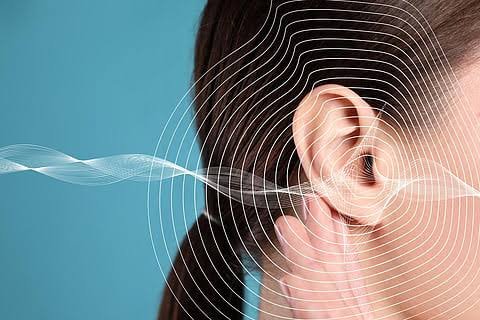
Hearing loss is a partial or complete inability to hear sounds in one or both ears. It can develop gradually over years as is common with age-related hearing loss or suddenly, over a matter of hours or days, which is considered a medical emergency requiring urgent attention.
Hearing loss is generally grouped into three types:
Conductive hearing loss caused by a blockage or problem in the outer or middle ear (e.g. wax buildup, fluid, eardrum damage) that prevents sound from reaching the inner ear
Sensorineural hearing loss caused by damage to the inner ear or hearing nerve, often related to age, noise exposure, or illness; usually permanent
Mixed hearing loss a combination of both conductive and sensorineural causes
Symptoms
Common signs of hearing loss include:
Causes
Hearing loss can result from a wide range of causes, including:
Diagnosis & Tests
An accurate diagnosis determines everything about your treatment plan. At CENT, Prof. Dr Khalid Cheema uses the following, most available in a single visit:
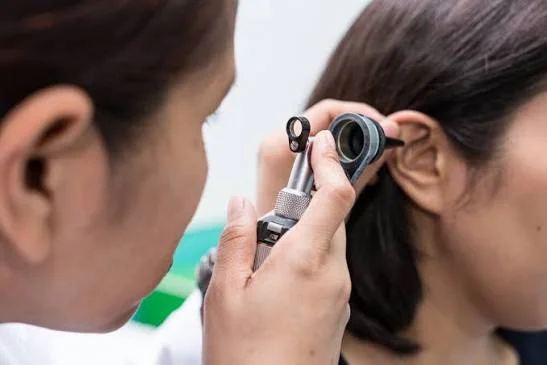
- Detailed history and physical ear examination (otoscopy)
- Pure Tone Audiometry (PTA) measures the softest sounds you can hear across different pitches
- Tympanometry checks how well your eardrum and middle ear are functioning
- BERA (Brainstem Evoked Response Audiometry) commonly used for infants and young children who can’t complete standard hearing tests
- Further imaging or blood tests, where an underlying medical cause is suspected
Treatment Options
Medical Management
Where hearing loss is caused by infection, fluid, or a treatable medical issue, this is addressed first:
Hearing Aids
For most cases of sensorineural or age-related hearing loss, hearing aids are the most common and effective solution. CENT provides consultation and fitting guidance to match the right device to your specific hearing loss pattern and lifestyle.
Cochlear Implants
For patients with severe to profound sensorineural hearing loss who don’t get sufficient benefit from hearing aids, a cochlear implant may be recommended. This is a surgically placed device that directly stimulates the hearing nerve, bypassing the damaged part of the inner ear.
Risks & Complications
Hearing aid fitting carries no surgical risk. Cochlear implant surgery, like any surgical procedure, carries a small risk of infection, dizziness, changes in taste, or (rarely) facial nerve involvement all discussed in detail during consultation. Prof. Dr Khalid Cheema’s four decades of surgical experience is reflected in his consistently low complication rates
Treatment Comparison
| Option | Best For | Recovery | Invasiveness |
|---|---|---|---|
| Medical Management | Mild–moderate cases, allergy-driven sinusitis | No downtime | Non-invasive |
| Balloon Sinuplasty | Moderate blockage not responding to medication | 1–3 days | Minimally invasive |
| FESS (Surgery) | Structural blockage, polyps, severe/recurrent cases | 1–2 weeks | Minimally invasive surgery |
Why Choose Prof. Dr Khalid Cheema / CENT
Prof. Dr Khalid Cheema is Founder and Chief ENT Surgeon of CENT, a Fellow of the College of Physicians & Surgeons Pakistan (FCPS), and Professor of ENT Surgery at King Edward Medical University, Lahore. With over 40 years of experience and five-star patient reviews, he has treated hearing loss in patients of all ages from across Lahore including DHA Phase 6, Iqbal Town, and surrounding areas.
- Complete hearing diagnostics (audiometry, tympanometry, BERA) available in one visit
- Treatment for both adults and children, including infants
- Guidance on hearing aid selection suited to your specific hearing loss and lifestyle
- Same-day appointments available
- Two convenient clinic locations: CENT DHA Phase 6 (main clinic) and CENT Iqbal Town
Consultation & Procedure Fees
Initial consultation fee: 5000 PKR
Hearing tests (audiometry / tympanometry / BERA): To be confirmed from the reception
Hearing aid cost range: To be confirmed from the reception
Cochlear implant procedure cost: To be confirmed from the reception
Exact costs depend on the type and severity of hearing loss, and the specific tests or devices required. Your treatment plan and full cost breakdown will be confirmed clearly during your consultation, with no hidden charges.
Pre & Post Procedure Care
Before Your Procedure
After Your Procedure
Recovery Timeline
| Days 1–3 | Mild congestion, light discharge/bleeding, some facial pressure |
| Days 4–7 | Congestion easing, saline rinses continue, avoid strenuous activity |
| Week 2 | Most patients resume normal daily activities; follow-up endoscopy check |
| Weeks 3–4 | Full healing of sinus lining; final assessment of breathing and drainage |
Before & After Results


Related Treatments
- Tinnitus (Ringing in the Ears)
- Ear Infections
- Ear Wax Removal
- Vertigo & Balance Disorders
- Eardrum Perforation / Tympanoplasty
- Pediatric Hearing Screening
Reviews
Book Consultation
Don’t let hearing loss go unaddressed. Book a consultation with Prof. Dr Khalid Cheema at CENT and get an accurate hearing test with a clear treatment plan all in one visit.