Deviated Septum & Septoplasty in DHA, Lahore
Struggling to breathe through one or both nostrils, or dealing with frequent nosebleeds and sinus infections? Prof. Dr Khalid Cheema, Lahore’s most trusted ENT specialist, offers accurate diagnosis and expert septoplasty at CENT, DHA Phase 6 with all diagnostic imaging arranged in one visit.

Medically Reviewed By
Medically reviewed by Prof. Dr Khalid Cheema, FCPS Professor of ENT Surgery, King Edward Medical University, Lahore. Founder & Chief ENT Surgeon, Center of ENT (CENT). Over 40 years of clinical experience in ENT surgery and diagnostics.
About the Treatment
A deviated septum is a structural issue the wall between your nostrils is off-center and structural problems generally need a structural fix. At CENT, Prof. Dr Khalid Cheema first confirms whether your symptoms are truly caused by septal deviation (rather than allergies or sinusitis alone) using endoscopy and imaging, then recommends either conservative management or septoplasty, a well-established surgical procedure to straighten the septum and restore normal airflow.
CENT treats patients from across Lahore including DHA, Iqbal Town, Gulberg, and Johar Town many of whom arrive after years of being told their chronic congestion is “just allergies,” when a structural cause was never properly ruled out.

What is a Deviated Septum?
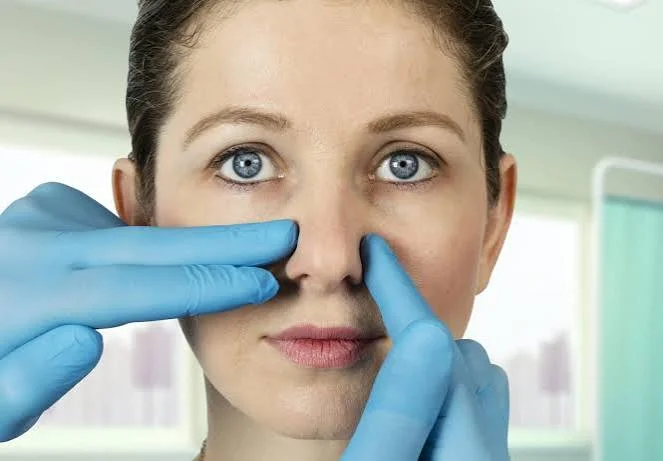
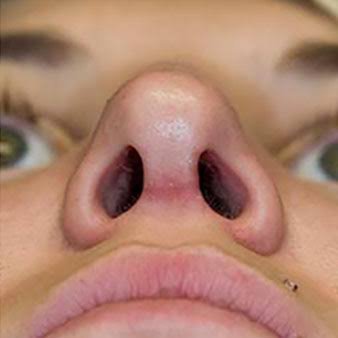
The nasal septum is the wall of cartilage and bone that divides your nose into two nostrils. When it’s significantly off-center a “deviated septum” one or both nasal passages can become narrowed, making it harder to breathe, and increasing the likelihood of congestion, sinus infections, and nosebleeds.
Many people have some degree of septal deviation without symptoms. Treatment is only needed when it’s actually causing problems breathing difficulty, recurrent infections, or significantly affecting quality of life.
Symptoms
Common signs of a problematic deviated septum include:
Causes
A deviated septum can result from:
Diagnosis & Tests
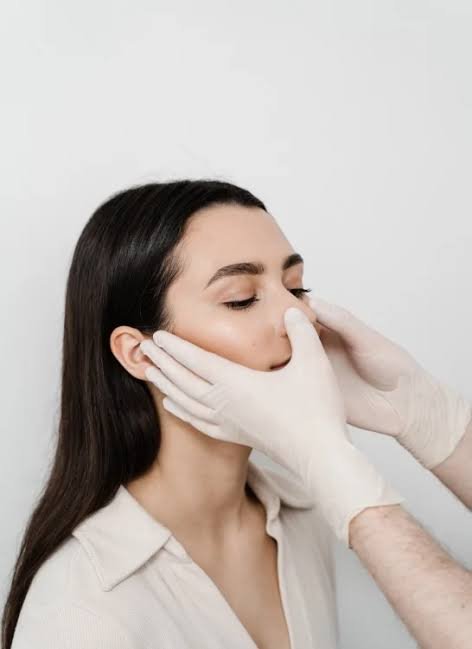
Because breathing difficulty can stem from several overlapping causes, an accurate diagnosis is essential before recommending surgery. At CENT, this typically includes:
- Detailed history and external nasal examination
- Nasal endoscopy direct visual assessment of the septum and nasal passages
- CT scan of the paranasal sinuses where sinus involvement is also suspected
- Allergy testing to rule out or confirm allergic rhinitis as a contributing factor
Treatment Options
Conservative Management
Where symptoms are mild or partly related to inflammation rather than pure structural blockage, non-surgical options are tried first:
Septoplasty (Surgical Correction)
Septoplasty is a well-established surgical procedure to straighten the nasal septum. Working entirely inside the nose (no external incisions or visible scarring), Prof. Dr Khalid Cheema repositions and trims the deviated cartilage and bone to restore a straighter airway and improve airflow through both nostrils.
Risks & Complications
As with any nasal surgery, septoplasty carries a small risk of bleeding, infection, temporary numbness, or (rarely) a change in nose shape or a residual septal deviation requiring further correction. These risks are discussed in full during consultation, and Prof. Dr Khalid Cheema’s four decades of surgical experience is reflected in his consistently low complication rates.
Treatment Comparison
| Option | Best For | Recovery | Invasiveness |
|---|---|---|---|
| Medical Management | Mild–moderate cases, allergy-driven sinusitis | No downtime | Non-invasive |
| Balloon Sinuplasty | Moderate blockage not responding to medication | 1–3 days | Minimally invasive |
| FESS (Surgery) | Structural blockage, polyps, severe/recurrent cases | 1–2 weeks | Minimally invasive surgery |
Why Choose Prof. Dr Khalid Cheema / CENT
Prof. Dr Khalid Cheema is Founder and Chief ENT Surgeon of CENT, a Fellow of the College of Physicians & Surgeons Pakistan (FCPS), and Professor of ENT Surgery at King Edward Medical University, Lahore. With over 40 years of experience and five-star patient reviews, he has performed septoplasty for patients across Lahore including DHA Phase 6, Iqbal Town, and surrounding areas.
- Full diagnostic workup (endoscopy, CT, allergy testing) available before recommending surgery
- Surgery only recommended once a genuine structural cause is confirmed
- No external incisions or visible scarring with septoplasty
- Same-day consultation appointments available
- Two convenient clinic locations: CENT DHA Phase 6 (main clinic) and CENT Iqbal Town
Consultation & Procedure Fees
Initial consultation fee: 5000 PKR
Diagnostic tests (endoscopy, CT, etc.): To be confirmed from the reception
Septoplasty procedure cost:To be confirmed from the reception
Exact costs depend on the extent of the deviation and whether any additional procedures (e.g. turbinate reduction) are needed alongside septoplasty. Your treatment plan and full cost breakdown will be confirmed clearly during your consultation, with no hidden charges.
Pre & Post Procedure Care
Before Your Procedure
After Your Procedure
Recovery Timeline
| Days 1–3 | Mild congestion, light discharge/bleeding, some facial pressure |
| Days 4–7 | Congestion easing, saline rinses continue, avoid strenuous activity |
| Week 2 | Most patients resume normal daily activities; follow-up endoscopy check |
| Weeks 3–4 | Full healing of sinus lining; final assessment of breathing and drainage |
Before & After Results
Related Treatments
- Chronic Sinusitis
- Allergic Rhinitis
- Nasal Obstruction
- Nasal Polyps
- Sinus Headache
- Snoring & Sleep Apnea
Reviews
Book Consultation
Don’t accept chronic congestion as normal. Book a consultation with Prof. Dr Khalid Cheema at CENT and find out whether a deviated septum is the real cause with a clear path to lasting relief.