Thyroid Nodules Treatment in DHA, Lahore
Noticed a lump or swelling in your neck, or been told you have a thyroid nodule? Prof. Dr Khalid Cheema, Lahore’s most trusted ENT specialist, provides thorough evaluation and clear guidance for thyroid nodules at CENT, DHA Phase 6 most nodules are benign, and a proper assessment gives you clarity either way.
Medically Reviewed By
Medically reviewed by Prof. Dr Khalid Cheema, FCPS Professor of ENT Surgery, King Edward Medical University, Lahore. Founder & Chief ENT Surgeon, Center of ENT (CENT). Over 40 years of clinical experience in ENT surgery and diagnostics.
About the Treatment
Thyroid nodules are common, and the great majority turn out to be non-cancerous. Even so, because a small proportion can be significant, every nodule deserves a proper, structured evaluation rather than a wait-and-see guess. At CENT, Prof. Dr Khalid Cheema follows a clear diagnostic pathway clinical examination, ultrasound, and biopsy where needed to reach a confident answer about what your nodule is and what, if anything, needs to be done about it.
CENT sees patients from across Lahore including DHA, Iqbal Town, Gulberg, and Johar Town who are often anxious after noticing a neck lump; a clear, well-explained evaluation is usually the most reassuring next step.
What are Thyroid Nodules?
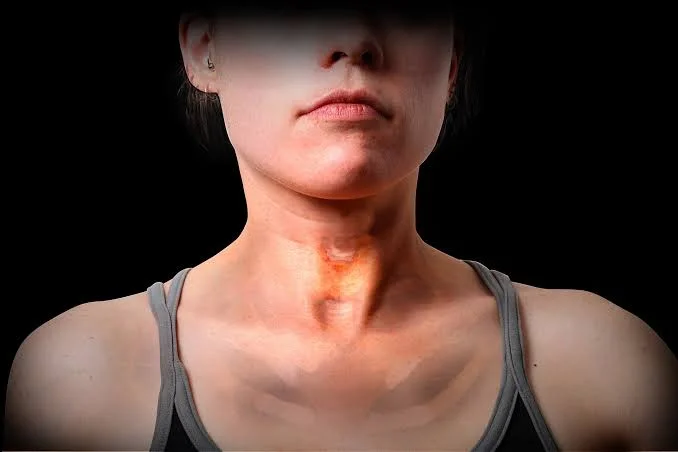
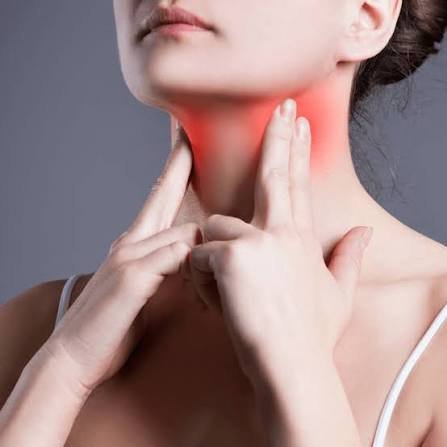
Thyroid nodules are lumps that form within the thyroid gland, located at the front of the neck. They are very common many people have one or more without ever knowing, since small nodules often cause no symptoms and are only found incidentally during an exam or imaging for something else.
The vast majority of thyroid nodules are benign (non-cancerous) and don’t require treatment beyond monitoring. A smaller number are functional (affecting thyroid hormone levels) or require closer evaluation to rule out malignancy which is why any noticeable or growing nodule should be properly assessed rather than assumed to be one or the other.
Symptoms
Many thyroid nodules cause no symptoms at all and are found incidentally. Where symptoms do occur, they can include:
Causes
Thyroid nodules can develop for several reasons, including:
Diagnosis & Tests
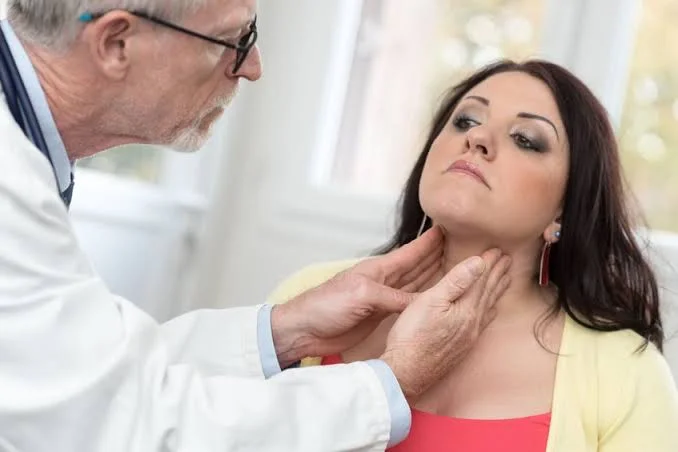
A structured evaluation is the key to reaching a clear, reliable answer about any thyroid nodule. At CENT, this typically includes:
- Physical examination of the neck and thyroid gland
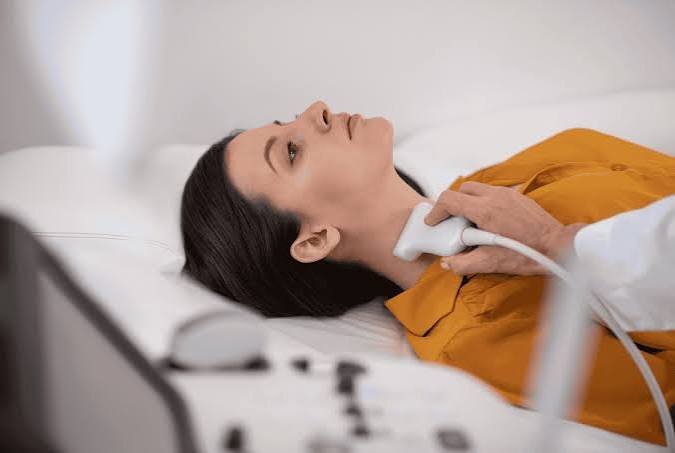
- Thyroid ultrasound to assess the nodule’s size, structure, and specific features
- Thyroid function blood tests to check whether the nodule is affecting hormone levels
- Fine Needle Aspiration Cytology (FNAC / biopsy) where ultrasound features suggest this is needed, to directly examine the nodule’s cells and provide a clear diagnosis
Most nodules are fully characterised through this pathway, giving a clear, evidence-based answer rather than ongoing uncertainty.
Treatment Options
Monitoring (Active Surveillance)
For small nodules with reassuring ultrasound and biopsy features, and no impact on thyroid function, regular monitoring with periodic ultrasound is often all that’s needed.
Medication
Where a nodule is affecting thyroid hormone levels, medication can help manage thyroid function without necessarily requiring surgery.
Surgery (Thyroidectomy — Partial or Total)
Surgical removal of part or all of the thyroid gland is recommended in specific situations: where biopsy results are suspicious or confirm malignancy, where a nodule is large enough to cause pressure symptoms, or where a functioning nodule isn’t well controlled with medication.
Risks & Complications
Monitoring and medication carry minimal risk, discussed as part of your ongoing care plan. Thyroid surgery, like any surgical procedure, carries a small risk of bleeding, infection, temporary voice changes, or effects on calcium regulation (related to nearby parathyroid glands) all discussed in detail during consultation. Prof. Dr Khalid Cheema’s four decades of surgical experience is reflected in his consistently low complication rates.
Treatment Comparison
| Option | Best For | Recovery | Invasiveness |
|---|---|---|---|
| Medical Management | Mild–moderate cases, allergy-driven sinusitis | No downtime | Non-invasive |
| Balloon Sinuplasty | Moderate blockage not responding to medication | 1–3 days | Minimally invasive |
| FESS (Surgery) | Structural blockage, polyps, severe/recurrent cases | 1–2 weeks | Minimally invasive surgery |
Why Choose Prof. Dr Khalid Cheema / CENT
Prof. Dr Khalid Cheema is Founder and Chief ENT Surgeon of CENT, a Fellow of the College of Physicians & Surgeons Pakistan (FCPS), and Professor of ENT Surgery at King Edward Medical University, Lahore. With over 40 years of experience and five-star patient reviews, he has treated Thyroid Nodules in patients of all ages from across Lahore including DHA Phase 6, Iqbal Town, and surrounding areas.
- Structured diagnostic pathway ultrasound, thyroid function tests, and biopsy where needed
- Clear, honest explanation of results, since the majority of nodules are benign
- Surgery recommended only where genuinely indicated, not as a default response to any lump
- Same-day appointments available
- Two convenient clinic locations: CENT DHA Phase 6 (main clinic) and CENT Iqbal Town
Consultation & Procedure Fees
Initial consultation fee: 5000 PKR
Thyroid ultrasound / blood tests: To be confirmed from the reception
FNAC biopsy (if required): To be confirmed from the reception
Thyroidectomy procedure cost:To be confirmed from the reception
Exact costs depend on which tests are needed and whether surgery is recommended. Your evaluation plan and full cost breakdown will be confirmed clearly during your consultation, with no hidden charges.
Pre & Post Procedure Care
Before Your Procedure
After Your Procedure
Recovery Timeline
| Days 1–3 | Mild congestion, light discharge/bleeding, some facial pressure |
| Days 4–7 | Congestion easing, saline rinses continue, avoid strenuous activity |
| Week 2 | Most patients resume normal daily activities; follow-up endoscopy check |
| Weeks 3–4 | Full healing of sinus lining; final assessment of breathing and drainage |
Before & After Results
Related Treatments
- Neck Lumps & Swelling
- Salivary Gland Disorders
- Voice Disorders / Hoarseness
- Head & Neck Tumors
Reviews
Book Consultation
Don’t let hearing loss go unaddressed. Book a consultation with Prof. Dr Khalid Cheema at CENT and get an accurate hearing test with a clear treatment plan all in one visit.