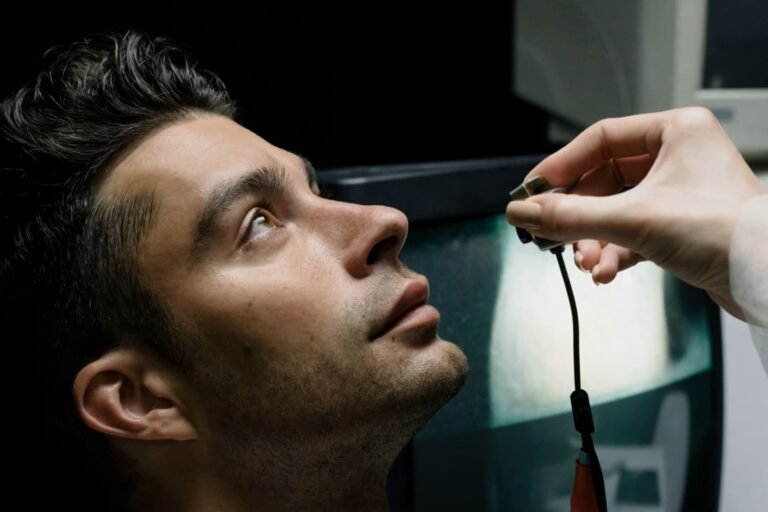

Hearing is one of our most important senses, allowing us to communicate, enjoy music, stay aware of our surroundings, and maintain meaningful relationships. Unfortunately, hearing loss often develops gradually, making it difficult to recognize until it begins to affect daily life. Early diagnosis is essential for preventing further damage and ensuring appropriate treatment. One of the most effective methods for assessing hearing ability is Pure Tone Audiometry (PTA).
Pure Tone Audiometry is a standard hearing test used by audiologists and ENT specialists to determine the softest sounds a person can hear at different frequencies. It helps identify the type, degree, and pattern of hearing loss, providing valuable information for diagnosis and treatment planning. The test is painless, non-invasive, and suitable for adults and older children.
In this article, we’ll explain what Pure Tone Audiometry is, how it works, who needs it, how to prepare, what the results mean, and why regular hearing assessments are important.
What Is Pure Tone Audiometry (PTA)?
Pure Tone Audiometry (PTA) is a diagnostic hearing test that measures an individual’s hearing sensitivity using pure tones at different frequencies and volumes. During the test, sounds are presented through headphones or a bone conduction device, and the patient responds whenever they hear a tone.
The test determines the hearing threshold, which is the quietest sound a person can detect at each frequency. These thresholds are recorded on an audiogram, a graph that helps healthcare professionals evaluate hearing function.
PTA is considered the gold standard for diagnosing hearing loss because it provides detailed information about both ears separately.
Why Is Pure Tone Audiometry Important?
Many people assume hearing loss only affects older adults, but it can occur at any age due to infections, loud noise exposure, genetic conditions, injuries, or certain medications. Since hearing changes often happen gradually, individuals may not notice the problem until communication becomes difficult.
Pure Tone Audiometry is important because it:
- Detects hearing loss early
- Identifies the type and severity of hearing impairment
- Helps diagnose ear-related conditions
- Assists in selecting appropriate treatment
- Monitors changes in hearing over time
- Evaluates hearing after surgery or medical treatment
Early detection often leads to better treatment outcomes and improved quality of life.
Who Should Have a PTA Test?
Your doctor or audiologist may recommend Pure Tone Audiometry if you experience symptoms such as:
- Difficulty hearing conversations
- Frequently asking people to repeat themselves
- Turning up the television or phone volume
- Ringing or buzzing in the ears (tinnitus)
- Difficulty hearing in noisy environments
- Ear fullness or pressure
- Sudden hearing changes
- Hearing problems after an ear infection
- Exposure to loud workplace noise
People who work in noisy environments, such as construction workers, factory employees, musicians, and airport staff, may also benefit from regular hearing assessments.
How Does Pure Tone Audiometry Work?
Pure Tone Audiometry measures hearing by presenting sounds at different pitches (frequencies) and loudness levels.
The test is usually performed in a soundproof room to eliminate background noise and ensure accurate results.
Air Conduction Testing
The patient wears headphones while tones are played into one ear at a time.
Whenever a tone is heard, the patient presses a button or raises a hand.
Air conduction testing evaluates the entire hearing pathway, including the outer ear, middle ear, and inner ear.
Bone Conduction Testing
A small vibrating device is placed behind the ear on the mastoid bone.
Instead of traveling through the ear canal, sound vibrations go directly to the inner ear.
This helps determine whether hearing loss originates in the outer or middle ear or the inner ear.
What Happens During the Test?
A Pure Tone Audiometry appointment generally takes between 20 and 30 minutes.
The process typically includes:
- Reviewing your medical and hearing history.
- Examining the ears to check for wax or infection.
- Performing air conduction testing.
- Performing bone conduction testing if necessary.
- Recording the results on an audiogram.
- Discussing the findings with the audiologist or ENT specialist.
The procedure is comfortable, painless, and does not require anesthesia.
Understanding the Audiogram
The results of Pure Tone Audiometry are displayed on an audiogram.
The horizontal axis represents frequency (pitch) measured in Hertz (Hz), while the vertical axis represents hearing level measured in decibels Hearing Level (dB HL).
Lower hearing thresholds indicate better hearing ability.
Typical hearing classifications include:
| Hearing Level | Degree of Hearing Loss |
|---|---|
| -10 to 20 dB | Normal hearing |
| 21 to 40 dB | Mild hearing loss |
| 41 to 55 dB | Moderate hearing loss |
| 56 to 70 dB | Moderately severe hearing loss |
| 71 to 90 dB | Severe hearing loss |
| Above 90 dB | Profound hearing loss |
Your audiologist will explain what these results mean and recommend appropriate treatment if needed.
Types of Hearing Loss Detected by PTA
Pure Tone Audiometry helps identify different types of hearing loss.
Conductive Hearing Loss
Conductive hearing loss occurs when sound cannot travel efficiently through the outer or middle ear.
Common causes include:
- Earwax blockage
- Ear infections
- Fluid behind the eardrum
- Perforated eardrum
- Otosclerosis
This type of hearing loss is often temporary or treatable.
Sensorineural Hearing Loss
Sensorineural hearing loss results from damage to the inner ear or auditory nerve.
Common causes include:
- Aging
- Loud noise exposure
- Viral infections
- Head injuries
- Certain medications
- Genetic conditions
This type of hearing loss is usually permanent but can often be managed with hearing aids or cochlear implants.
Mixed Hearing Loss
Mixed hearing loss combines conductive and sensorineural hearing loss, meaning problems exist in both the middle and inner ear.
Preparing for the Test
Pure Tone Audiometry requires very little preparation.
To ensure accurate results:
- Avoid loud noise exposure for at least 16 hours before the test.
- Inform your healthcare provider about any medications you are taking.
- Mention recent ear infections or surgeries.
- Remove hearing aids before testing if instructed.
- Ensure excessive earwax has been removed if recommended.
Following these simple steps can improve the accuracy of the assessment.
Is Pure Tone Audiometry Safe?
Yes. Pure Tone Audiometry is completely safe.
The test:
- Is non-invasive
- Causes no pain
- Uses no radiation
- Requires no injections
- Has no known side effects
Patients simply listen to sounds and respond whenever they hear them.
Benefits of Pure Tone Audiometry
Pure Tone Audiometry offers several important advantages.
Accurate Diagnosis
The test provides detailed information about hearing sensitivity in each ear, helping specialists determine the exact type of hearing loss.
Early Detection
Even mild hearing loss can be identified before it begins affecting communication and daily activities.
Personalized Treatment
PTA helps healthcare providers decide whether a patient needs medication, surgery, hearing aids, or additional testing.
Monitoring Hearing Health
People with chronic ear conditions or occupational noise exposure can have regular PTA tests to monitor hearing over time.
Additional Hearing Tests
Depending on the results of Pure Tone Audiometry, your healthcare provider may recommend additional tests, such as:
- Speech Audiometry to evaluate speech understanding.
- Tympanometry to assess middle ear function.
- Otoacoustic Emissions (OAE) to evaluate inner ear function.
- Auditory Brainstem Response (ABR) to assess hearing nerve pathways.
- Acoustic Reflex Testing to evaluate middle ear reflexes.
Together, these tests provide a comprehensive picture of hearing health.
When Should You See an ENT Specialist?
You should schedule a hearing evaluation if you notice:
- Persistent difficulty hearing conversations
- Ringing in the ears
- Sudden hearing loss
- Hearing loss in one ear
- Ear pain accompanied by hearing changes
- Recurrent ear infections
- Balance problems associated with hearing changes
Prompt diagnosis can prevent complications and improve treatment outcomes.
Protecting Your Hearing
Preventing hearing loss is easier than treating it. Consider these tips:
- Wear ear protection in noisy workplaces.
- Keep headphone volume below 60% of maximum.
- Take listening breaks during prolonged headphone use.
- Avoid inserting cotton swabs or sharp objects into your ears.
- Treat ear infections promptly.
- Schedule regular hearing checks if you are exposed to loud noise.
- Follow your doctor’s advice when taking medications that may affect hearing.
Healthy hearing habits can significantly reduce the risk of long-term hearing damage.
Conclusion
Pure Tone Audiometry (PTA) is one of the most reliable and widely used hearing tests for diagnosing hearing loss. By measuring the softest sounds a person can hear across different frequencies, it helps identify the type and severity of hearing impairment and guides effective treatment planning.
The test is quick, painless, safe, and highly accurate when performed by a qualified audiologist or ENT specialist. Whether hearing loss is caused by aging, noise exposure, infection, or another medical condition, early diagnosis through Pure Tone Audiometry can make a significant difference in preserving hearing and improving quality of life.
If you or a loved one are experiencing hearing difficulties, tinnitus, or changes in hearing, don’t delay seeking professional advice. A timely Pure Tone Audiometry test can provide clear answers and help ensure the best possible hearing care for years to come.