
Healthy hearing depends on the proper functioning of the outer, middle, and inner ear. While many hearing tests focus on how well you hear sounds, some are designed to evaluate how well the middle ear is working. One of the most important diagnostic tests for assessing middle ear function is tympanometry.
Tympanometry is a quick, safe, and non-invasive test that measures how well the eardrum (tympanic membrane) moves in response to changes in air pressure. It helps identify conditions affecting the middle ear, such as fluid buildup, ear infections, eustachian tube dysfunction, perforated eardrums, and other disorders that can impact hearing.
Unlike hearing tests that require patients to respond to sounds, tympanometry measures the mechanical function of the ear and does not depend on the patient’s hearing ability. This makes it especially useful for evaluating infants, young children, and individuals who may have difficulty participating in traditional hearing tests.
In this article, you’ll learn what tympanometry is, how it works, who should have the test, what the results mean, and why it plays a crucial role in diagnosing ear problems.
What Is Tympanometry?
Tympanometry is a diagnostic test used to evaluate the condition and movement of the eardrum and the middle ear. The test measures how the eardrum responds when air pressure inside the ear canal changes.
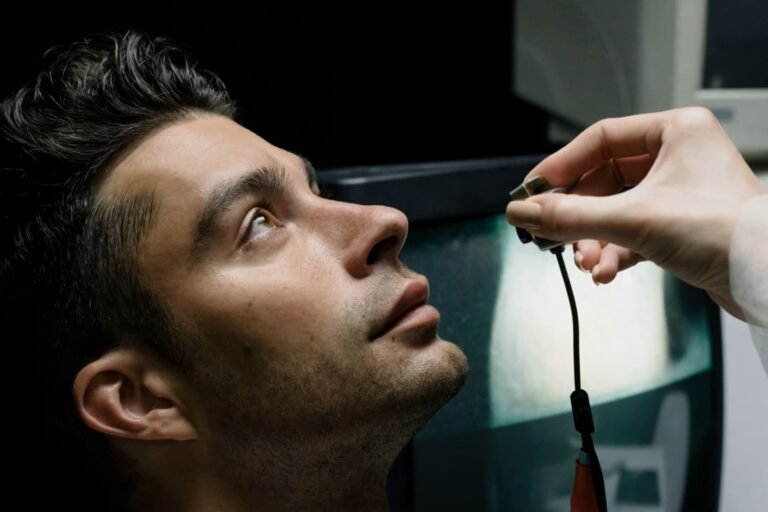
A small probe is gently placed into the ear canal. The device changes the air pressure, emits a soft sound, and records how the eardrum moves. The results are displayed as a graph called a tympanogram, which helps healthcare providers determine whether the middle ear is functioning normally.
Tympanometry does not directly measure hearing ability. Instead, it assesses the health of the middle ear system.
Why Is Tympanometry Important?
The middle ear contains the eardrum and three tiny bones that transmit sound from the outer ear to the inner ear. If any part of this system is affected by infection, fluid, pressure changes, or structural abnormalities, hearing may become impaired.
Tympanometry helps identify these problems early, allowing ENT specialists and audiologists to recommend the most appropriate treatment.
The test is commonly used to:
- Detect middle ear infections
- Identify fluid behind the eardrum
- Diagnose eustachian tube dysfunction
- Detect perforated eardrums
- Evaluate ear pain or pressure
- Assess hearing loss caused by middle ear problems
- Monitor recovery after ear surgery
- Evaluate the function of ventilation (grommet) tubes
How Does the Middle Ear Work?
The middle ear is an air-filled space located behind the eardrum. It contains three tiny bones known as the malleus, incus, and stapes, which carry sound vibrations from the eardrum to the inner ear.
The eustachian tube connects the middle ear to the back of the nose and throat. Its role is to equalize air pressure on both sides of the eardrum.
When pressure remains balanced, the eardrum moves freely, allowing sound to pass efficiently. If fluid, infection, or pressure imbalance occurs, the eardrum becomes less mobile, leading to hearing problems.
Who Should Have Tympanometry?
Your healthcare provider may recommend tympanometry if you experience:
- Ear pain
- Hearing loss
- Frequent ear infections
- Ear fullness or pressure
- Ringing in the ears (tinnitus)
- Difficulty hearing after a cold
- Balance problems related to ear disease
- Suspected eustachian tube dysfunction
Children with repeated ear infections or delayed speech development are also commonly referred for tympanometry.
The test is frequently performed before hearing aid evaluations or alongside other hearing assessments.
Conditions Diagnosed with Tympanometry
Tympanometry helps diagnose several middle ear disorders.
Otitis Media (Middle Ear Infection)
Fluid or infection behind the eardrum restricts its movement, making tympanometry highly effective for detecting otitis media.
Otitis Media with Effusion
This condition occurs when fluid remains in the middle ear after an infection has resolved. Even without pain, the fluid can reduce hearing and affect speech development in children.
Eustachian Tube Dysfunction
When the eustachian tube cannot equalize pressure properly, patients may experience ear fullness, discomfort, or muffled hearing. Tympanometry helps confirm this condition.
Perforated Eardrum
A hole or tear in the eardrum alters pressure measurements, allowing the test to detect perforations.
Ossicular Chain Problems
Damage or stiffness affecting the tiny hearing bones may reduce sound transmission. Tympanometry can provide clues that further investigation is needed.
Earwax Blockage
Although tympanometry is not primarily used to detect earwax, an obstruction may interfere with testing and prompt further examination.
How Is Tympanometry Performed?
The procedure is simple and usually takes less than five minutes for both ears.
Step 1: Ear Examination
The healthcare provider first examines the ear canal using an otoscope to ensure it is free from excessive earwax or visible infection.
Step 2: Probe Placement
A soft rubber tip connected to the tympanometer is gently inserted into the ear canal, creating a comfortable seal.
Step 3: Pressure Changes
The instrument changes air pressure inside the ear canal while producing a soft tone.
Step 4: Measuring Eardrum Movement
The machine records how the eardrum responds to pressure changes and generates a tympanogram.
Both ears are tested separately.
Is Tympanometry Painful?
No. Tympanometry is painless and non-invasive.
Most patients simply feel mild pressure in the ear for a few seconds, similar to the sensation experienced during airplane takeoff or landing.
Young children may briefly find the pressure unusual, but the test is generally well tolerated.
Understanding Tympanogram Results
The results are displayed as a graph called a tympanogram, which shows how the eardrum moves under varying air pressures.
Type A Tympanogram
A Type A result indicates normal middle ear function. The eardrum moves freely, and middle ear pressure is within the normal range.
Type As Tympanogram
The eardrum moves less than expected, often due to stiffness caused by scarring or conditions such as otosclerosis.
Type Ad Tympanogram
The eardrum moves excessively, which may suggest a thin eardrum or disruption of the tiny middle ear bones.
Type B Tympanogram
A flat tracing usually indicates fluid behind the eardrum, a perforated eardrum, or blockage of the ear canal.
Type C Tympanogram
This pattern suggests negative pressure within the middle ear, often caused by eustachian tube dysfunction.
Your ENT specialist will interpret these findings alongside your symptoms and other hearing test results.
Preparing for Tympanometry
No special preparation is required before the test.
However, patients should:
- Inform the healthcare provider about recent ear surgery.
- Mention any current ear infections.
- Avoid moving or talking during the procedure.
- Report severe ear pain before testing.
Young children may benefit from having a parent present for reassurance.
Benefits of Tympanometry
Tympanometry offers several important advantages.
Quick Procedure
The test usually takes only a few minutes.
Non-Invasive
No needles, radiation, or sedation are required.
Objective Results
Unlike some hearing tests, tympanometry does not rely on patient responses, making it highly reliable.
Early Diagnosis
Middle ear disorders can be identified before they lead to more serious complications.
Suitable for All Ages
The test can be safely performed on infants, children, adults, and older adults.
Limitations of Tympanometry
Although tympanometry is highly useful, it has certain limitations.
It does not:
- Measure hearing sensitivity
- Assess speech understanding
- Evaluate inner ear function
- Diagnose nerve-related hearing loss
For a complete hearing assessment, tympanometry is often combined with Pure Tone Audiometry, Speech Audiometry, Otoacoustic Emissions (OAE), or Auditory Brainstem Response (ABR) testing.
What Happens After the Test?
Once the test is complete, your healthcare provider reviews the tympanogram and explains the findings.
Depending on the results, treatment may include:
- Antibiotics for bacterial ear infections
- Observation if fluid is likely to resolve naturally
- Medications to reduce nasal congestion or inflammation
- Treatment for allergies affecting the eustachian tube
- Earwax removal
- Ventilation (grommet) tubes for persistent middle ear fluid
- Referral for additional hearing tests
The treatment plan depends on the underlying cause of the abnormal findings.
When Should You Seek Medical Advice?
Arrange an evaluation if you experience:
- Persistent ear pain
- Hearing loss
- Ear fullness or pressure
- Recurrent ear infections
- Fluid draining from the ear
- Sudden hearing changes
- Ringing in the ears
- Balance problems associated with ear symptoms
Prompt diagnosis can help prevent complications and protect your hearing.
Tips for Maintaining Healthy Ears
Keeping your ears healthy can reduce the risk of middle ear problems.
- Treat ear infections promptly.
- Avoid inserting cotton swabs or other objects into the ear canal.
- Practice good hand hygiene to reduce upper respiratory infections.
- Manage allergies if they contribute to ear congestion.
- Protect your ears from loud noise.
- Attend regular hearing and ear examinations if recommended by your healthcare provider.
Healthy ear care habits support better hearing throughout life.