
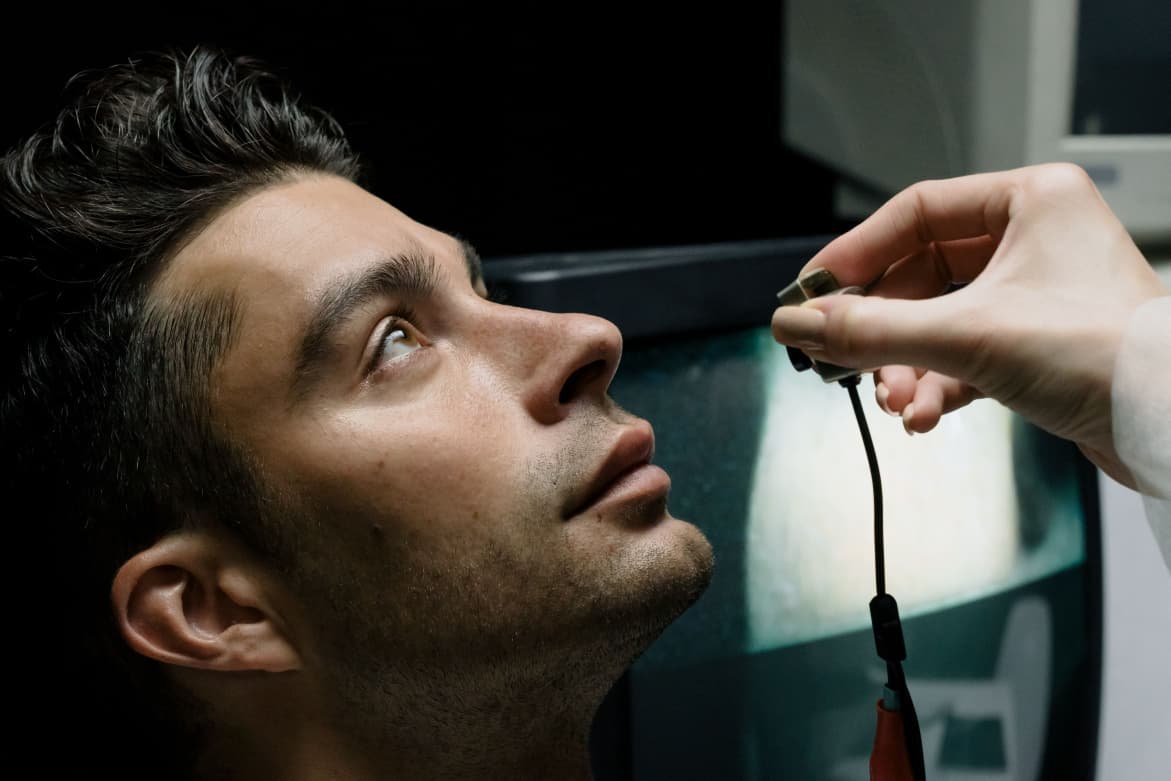
Endoscopy has revolutionized the diagnosis and treatment of ear, nose, and throat (ENT) conditions by allowing specialists to examine internal structures with exceptional clarity and precision. This minimally invasive procedure enables doctors to identify abnormalities that may not be visible during a routine physical examination, leading to earlier diagnosis and more effective treatment.
In ENT practice, endoscopy is commonly used to evaluate the nasal passages, sinuses, throat, voice box (larynx), and upper airway. Whether a patient has chronic nasal congestion, persistent sore throat, difficulty swallowing, hoarseness, recurrent sinus infections, or unexplained bleeding, endoscopy provides valuable insights into the underlying cause.
The procedure is quick, generally painless, and can often be performed in an outpatient clinic without the need for general anesthesia. This article explains what endoscopy is, its different types, why it is performed, what to expect during the procedure, and its benefits and potential risks.
What Is Endoscopy?
Endoscopy is a diagnostic procedure in which a doctor uses a thin, flexible or rigid instrument called an endoscope to examine the inside of the body. An endoscope contains a light source and a high-definition camera that transmits real-time images to a monitor, allowing the doctor to inspect internal structures in detail.
In ENT, endoscopy helps evaluate areas that cannot be seen during a routine examination, including the nasal cavity, sinuses, throat, larynx, and upper airway. It may also be used to perform minor procedures, collect tissue samples (biopsies), or guide treatment.
Why Is Endoscopy Performed?
An ENT specialist may recommend endoscopy to investigate symptoms that cannot be fully explained through a standard examination.
Common reasons for an ENT endoscopy include:
- Persistent nasal blockage
- Chronic sinus infections
- Recurrent nosebleeds
- Nasal polyps
- Loss of smell
- Persistent sore throat
- Hoarseness lasting more than two weeks
- Difficulty swallowing
- Chronic cough
- Snoring or suspected sleep apnea
- Voice changes
- A sensation of a lump in the throat
- Suspected tumors or growths
- Monitoring after ENT surgery
Endoscopy provides a clear view of the affected area, helping the specialist make an accurate diagnosis.
Types of Endoscopy Used in ENT
Several types of endoscopy are performed depending on the symptoms and the area being examined.
Nasal Endoscopy
Nasal endoscopy examines the inside of the nose and the openings of the sinuses.
It helps diagnose:
- Chronic sinusitis
- Nasal polyps
- Deviated nasal septum
- Allergic inflammation
- Nasal tumors
- Persistent nasal blockage
- Cerebrospinal fluid leaks
This is one of the most commonly performed ENT procedures.
Laryngoscopy
Laryngoscopy is used to examine the voice box (larynx) and vocal cords.
Doctors may recommend it for:
- Persistent hoarseness
- Voice disorders
- Chronic cough
- Difficulty breathing
- Throat pain
- Suspected vocal cord paralysis
- Laryngeal tumors
It allows detailed evaluation of the vocal cords during breathing and speech.
Nasopharyngoscopy
Nasopharyngoscopy evaluates the back of the nose and upper throat (nasopharynx).
It is useful for detecting:
- Enlarged adenoids
- Nasopharyngeal tumors
- Chronic infections
- Eustachian tube dysfunction
- Causes of nasal obstruction
Flexible Endoscopy
Flexible endoscopy uses a thin, bendable scope that passes comfortably through the nose.
It is ideal for evaluating:
- Nose
- Throat
- Voice box
- Upper airway
The flexibility allows comfortable examination with minimal discomfort.
Rigid Endoscopy
Rigid endoscopy uses a straight metal telescope with excellent image quality.
It is commonly used during:
- Detailed nasal examinations
- Sinus assessments
- Endoscopic sinus surgery
- Removal of nasal polyps
How Does an Endoscope Work?
The endoscope contains:
- A miniature high-definition camera
- A bright light source
- Optical lenses
- A narrow tube for viewing internal structures
Some endoscopes also have channels that allow doctors to:
- Remove small foreign bodies
- Take tissue biopsies
- Suction mucus
- Deliver medication
- Perform minor surgical procedures
The camera transmits magnified images to a monitor, allowing precise examination.
What Happens During an ENT Endoscopy?
The procedure usually takes 5 to 15 minutes and is performed in an outpatient clinic.
Step 1: Medical History
The doctor asks about your symptoms, medical history, medications, allergies, and previous ENT conditions.
Step 2: Preparation
A topical decongestant and local anesthetic spray may be applied inside the nose to reduce swelling and improve comfort.
Step 3: Inserting the Endoscope
The endoscope is gently inserted through the nostril or mouth, depending on the area being examined.
Patients are encouraged to breathe normally and remain relaxed during the procedure.
Step 4: Examination
The doctor carefully examines the nasal passages, throat, vocal cords, or other structures while viewing magnified images on a monitor.
Step 5: Completion
Once the examination is complete, the endoscope is removed, and the doctor discusses the findings.
Most patients can return to their normal activities immediately afterward.
Is Endoscopy Painful?
Most ENT endoscopy procedures are not painful.
Patients may experience:
- Mild pressure
- A tickling sensation
- Temporary watering of the eyes
- A brief urge to sneeze
If local anesthetic spray is used, the nose or throat may feel numb for a short time after the procedure.
Serious discomfort is uncommon.
Conditions Diagnosed Using Endoscopy
Endoscopy helps diagnose a wide range of ENT conditions.
These include:
- Chronic sinusitis
- Nasal polyps
- Deviated nasal septum
- Allergic rhinitis
- Enlarged adenoids
- Chronic tonsillitis
- Vocal cord nodules
- Vocal cord paralysis
- Laryngitis
- Throat tumors
- Nasopharyngeal cancer
- Laryngeal cancer
- Foreign bodies in the nose or throat
- Upper airway obstruction
Early detection improves treatment outcomes and reduces the risk of complications.
Benefits of Endoscopy
Endoscopy offers several important advantages.
Accurate Diagnosis
It provides a direct view of structures that cannot be seen during a routine examination.
Early Detection
Small abnormalities such as polyps, tumors, or vocal cord lesions can be identified before symptoms become severe.
Minimally Invasive
No surgical incision is required for diagnostic endoscopy.
Quick Procedure
Most examinations are completed within a few minutes.
Immediate Results
Doctors can often explain the findings immediately after the examination.
Guides Treatment
Endoscopy helps determine whether medication, surgery, biopsy, or additional testing is necessary.
Preparing for an Endoscopy
Preparation depends on the type of endoscopy being performed.
Generally, patients should:
- Inform the doctor about medications.
- Mention any bleeding disorders.
- Report allergies to local anesthetics.
- Avoid eating or drinking for several hours if throat endoscopy is planned.
- Follow any specific instructions provided by the healthcare team.
Most nasal endoscopies require little or no preparation.
Are There Any Risks?
ENT endoscopy is considered very safe.
Possible but uncommon risks include:
- Minor nosebleeds
- Temporary discomfort
- Sneezing
- Gagging during throat examination
- Mild sore throat
- Rare infection
Serious complications are extremely uncommon when the procedure is performed by an experienced ENT specialist.
What Happens After the Procedure?
Most patients can leave the clinic immediately after the examination.
If a throat anesthetic was used, you may be advised to avoid eating or drinking until the numbness wears off to reduce the risk of choking.
If a biopsy was performed, mild soreness or minor bleeding may occur temporarily.
Your doctor will explain the findings and discuss any additional investigations or treatments if needed.
When Should You Consider an Endoscopy?
Consult an ENT specialist if you experience:
- Nasal blockage lasting several weeks
- Frequent sinus infections
- Persistent hoarseness
- Difficulty swallowing
- Recurrent nosebleeds
- Chronic sore throat
- A lump in the neck
- Persistent cough without a clear cause
- Blood in nasal discharge
- Unexplained voice changes
Prompt evaluation helps identify serious conditions early and improves treatment success.
Tips for Maintaining Good ENT Health
You can help protect your ear, nose, and throat health by following these simple habits:
- Avoid smoking and exposure to secondhand smoke.
- Stay hydrated to keep the throat and nasal passages moist.
- Manage allergies with appropriate treatment.
- Practice good hand hygiene to reduce infections.
- Protect your ears from excessive noise.
- Seek medical attention for persistent ENT symptoms.
- Attend regular check-ups if you have chronic sinus or throat conditions.
Healthy lifestyle choices contribute to better respiratory and ENT health.